VINYL SIDING
VINYL SIDING IN Lafayette, LA
Vinyl siding manufactured to ASTM D3679 carries a tested wind load rating, but that rating only holds if the panels are hung the way the standard assumes. A 12-foot panel can expand more than half an inch across a Louisiana temperature swing. LA Home Improvements LLC installs vinyl siding on homes throughout Lafayette, LA with panels hung loose enough to move as they must, fasteners centered in the slots, and house wrap and flashing carefully detailed underneath every course.
VINYL SIDING HAS TO MOVE OR IT FAILS.
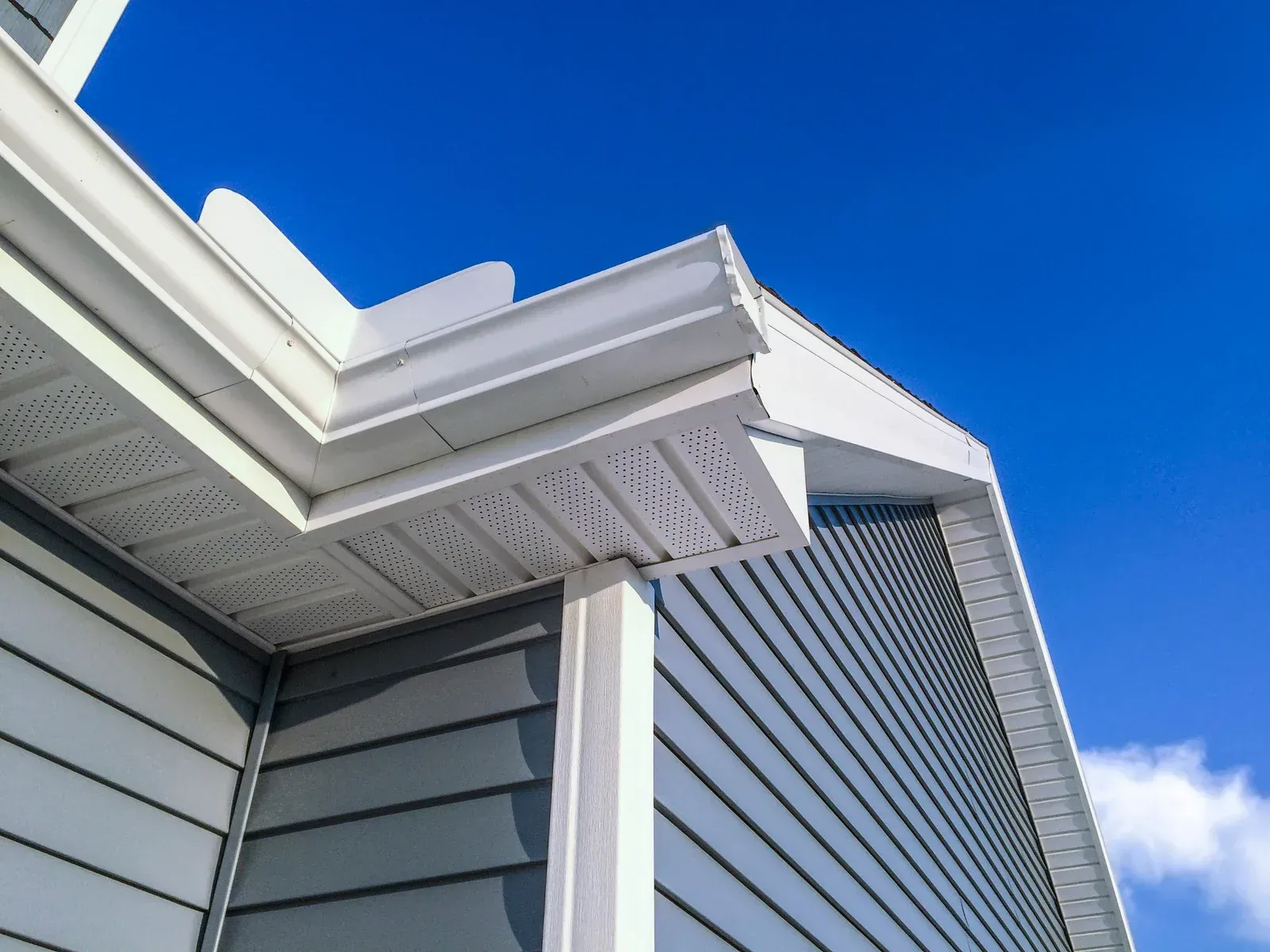
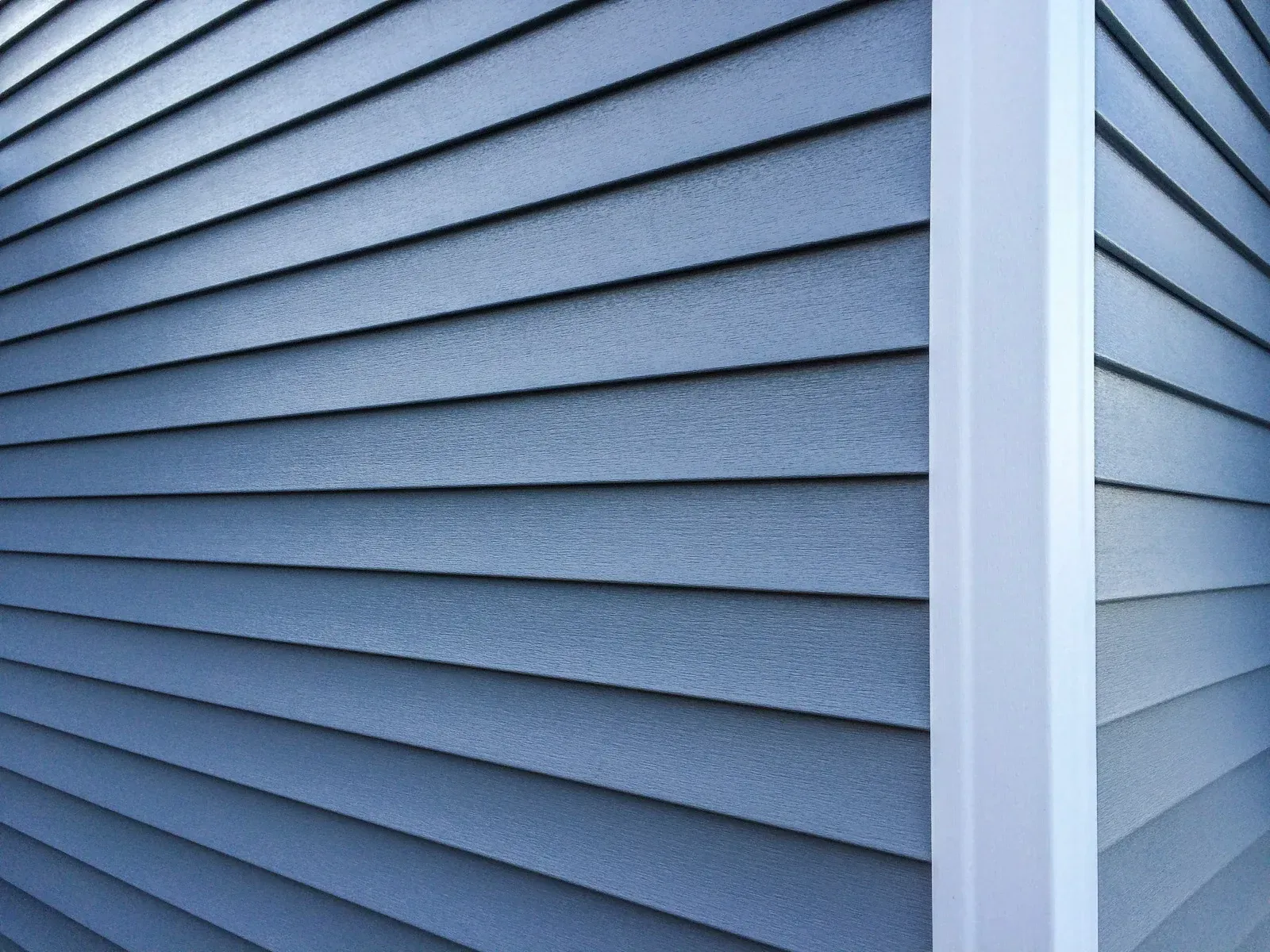
Nearly every buckled, wavy, or popped vinyl wall traces back to one mistake: nails driven tight. Panels are designed to hang from the nailing hem and slide as temperature changes, which is why the slots are elongated and why the fastener is meant to stay slightly loose against the hem rather than clamped down hard against it.
Get that one detail right and vinyl performs for decades with almost no attention. Get it wrong and the wall telegraphs the error every hot afternoon for the rest of its life.
- Fasteners centered and left slightly loose
- Panels lapped away from prevailing weather
- House wrap and flashing installed underneath
- Wind-rated products installed to specification
VINYL SIDING
WHAT GOES BEHIND THE PANEL DECIDES EVERYTHING.
Vinyl is a rain screen, not a waterproof membrane. Water gets behind it during driven rain, by design, and the weather-resistive barrier underneath is what actually protects the structure. That is why we treat house wrap, flashing, and drainage at the bottom course as the real work. A crew that staples wrap carelessly and skips flashing details can still produce a wall that looks flawless on handover day and rots quietly for a decade.
HURRICANE SEASON IS THE ONLY TEST THAT COUNTS.
Coastal Louisiana walls face pressures that most of the country never sees. Wind gets under a poorly locked bottom course, lifts a panel, and takes the rest of the wall with it in sequence. Correct locking at every course, proper fastener spacing, and a starter strip that is actually level are what keep that sequence from starting. We install to the manufacturer's wind specification because in this region that specification is not theoretical.
EVERY HURRICANE SEASON HAS TESTED OUR NAIL LINE.
30 years of installing siding along this coast also means decades of driving past our own work after named storms. That feedback loop is unusual in this trade and it has made us conservative in the details that matter: tighter fastener spacing on exposed elevations, more attention to the starter and the corner posts, and no shortcuts at the top course. Has your siding been through a storm yet?
WHAT PROPERLY HUNG VINYL SIDING DELIVERS
A WALL THAT STAYS FLAT
Panels installed with room to move stay straight through summer heat and winter cold. No waves appearing across the front elevation every August, and no popped courses after the first real heat wave.
PAINTING THAT NEVER COMES BACK
Color runs through the material rather than sitting on top of it, so there is no film to peel, blister, or chalk away. The maintenance schedule is essentially an occasional rinse.
RESISTANCE TO ROT AND INSECTS
Vinyl gives termites and wood-boring insects nothing to eat and gives moisture nothing to absorb. In a region where both are constant pressures, that immunity has real practical value.
WIND PERFORMANCE YOU CAN VERIFY
Products tested to a recognized standard carry a published wind rating rather than a marketing claim. Correct installation is what lets your wall actually deliver the number on the label.
A WEATHER BARRIER DONE RIGHT
Tearing off gives us access to the wrap and flashing that do the real protecting. Detailing those layers correctly is the part of the job that determines what happens inside your walls.
CURB APPEAL THAT HOLDS UP
Modern profiles and finishes look considerably better than the vinyl of 20 years ago, and they still look that way after a decade of sun because the color is not a coating.
WHAT WE INSTALL
OUR VINYL SIDING WORK
Vinyl projects range from a complete wrap after storm damage down to replacing a handful of cracked panels on one elevation. These are the ways we handle the work for homeowners here.
FULL WRAP
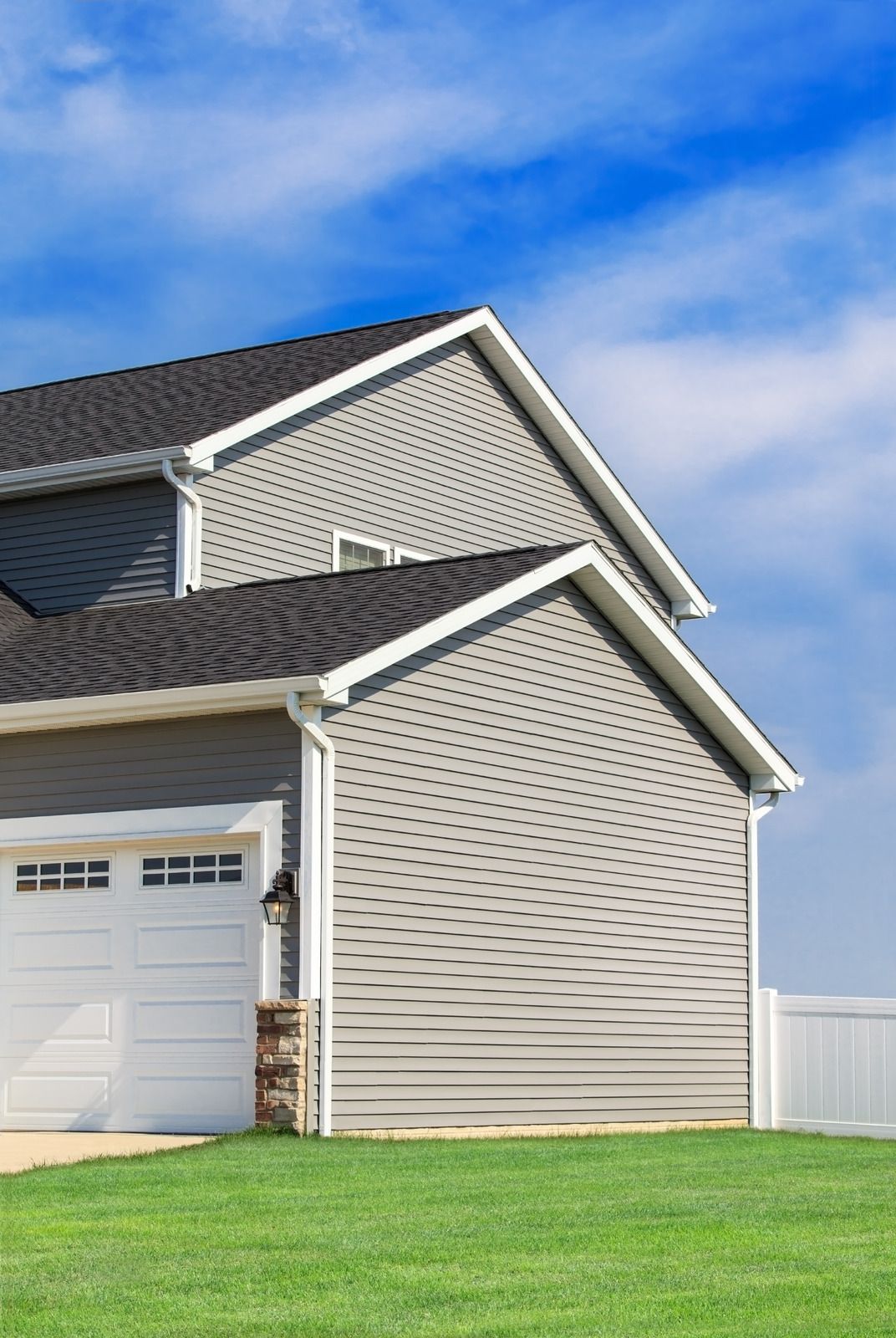
Whole Home Vinyl Siding Installation
Complete installation across every elevation, including tear-off, barrier and flashing work, and all trim. The whole envelope gets detailed as one system rather than assembled wall by wall in isolation.
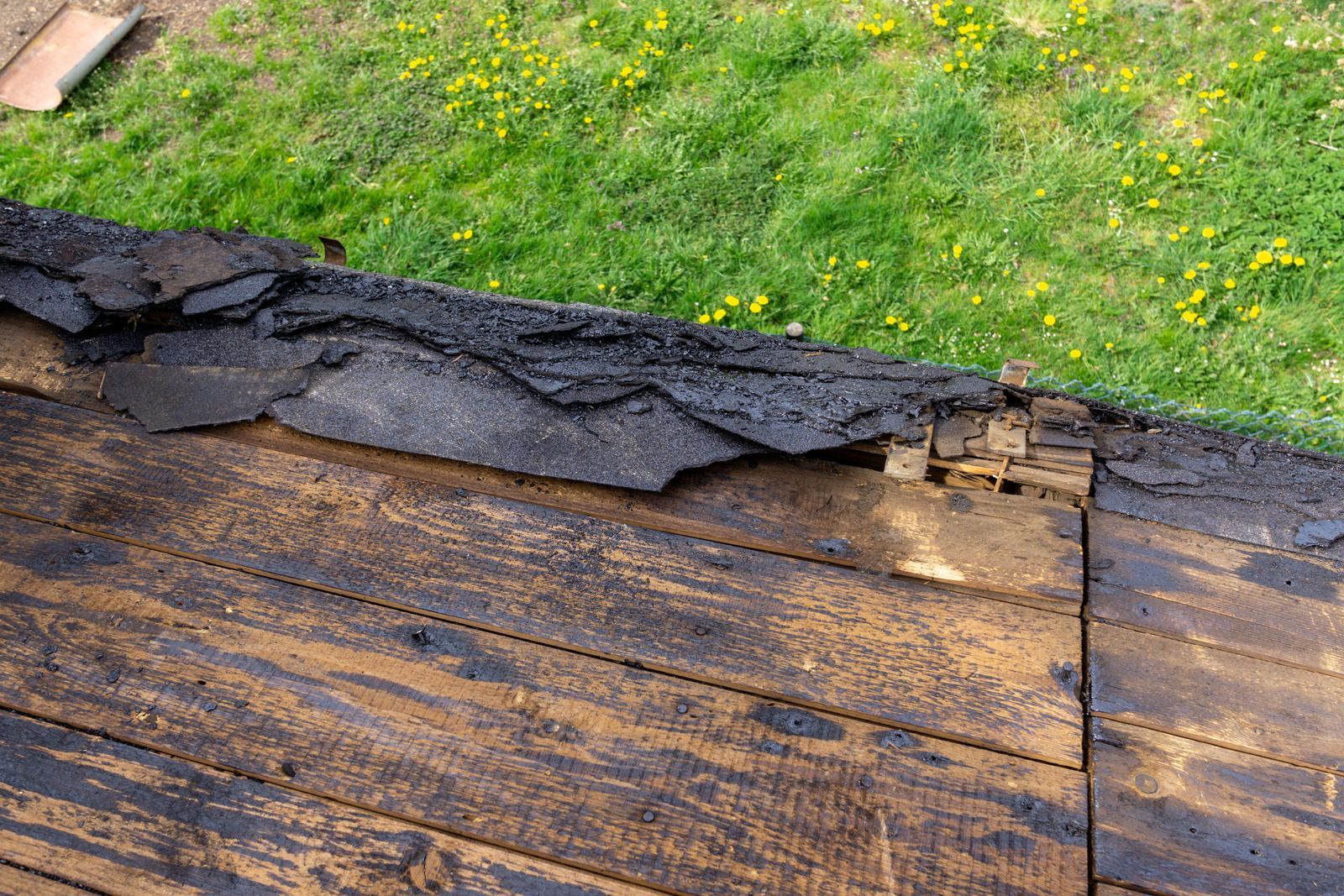
OLD OFF
Tear-Off and Sheathing Inspection
Removing existing cladding and examining what is underneath before anything new goes up. This is where hidden rot, insect damage, and previous water intrusion finally become visible and get addressed.
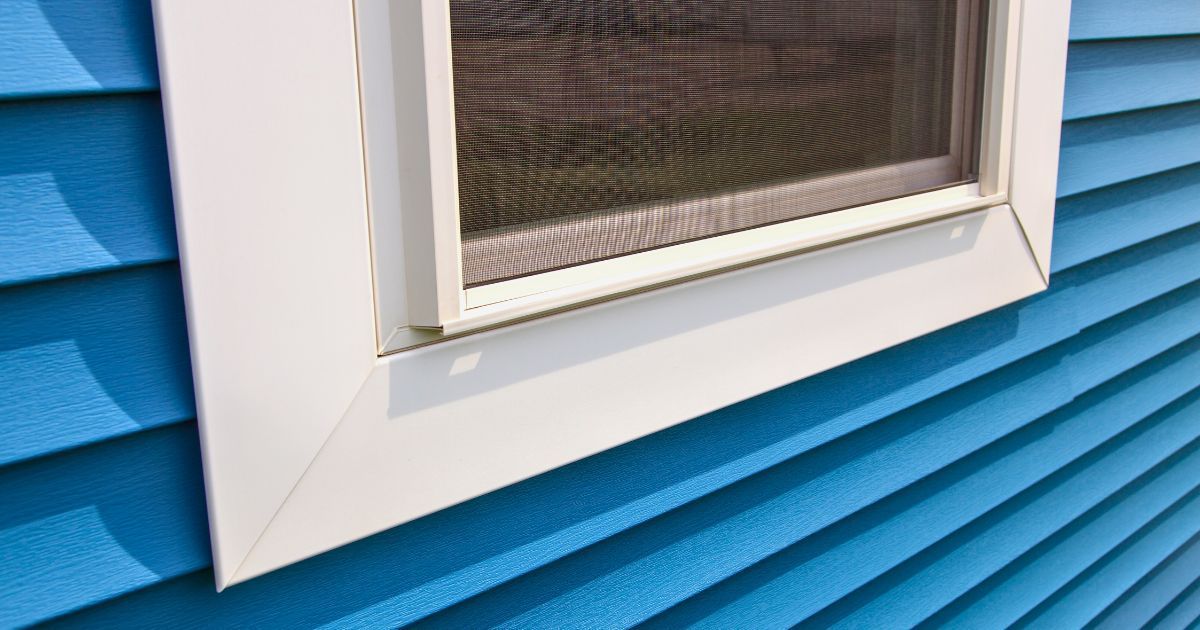
PROFILE PICK
Lap, Dutch Lap, and Board and Batten
Different profiles change a home's character substantially. Traditional lap, the deeper shadow line of Dutch lap, and vertical board and batten each suit particular architectural styles and elevations.
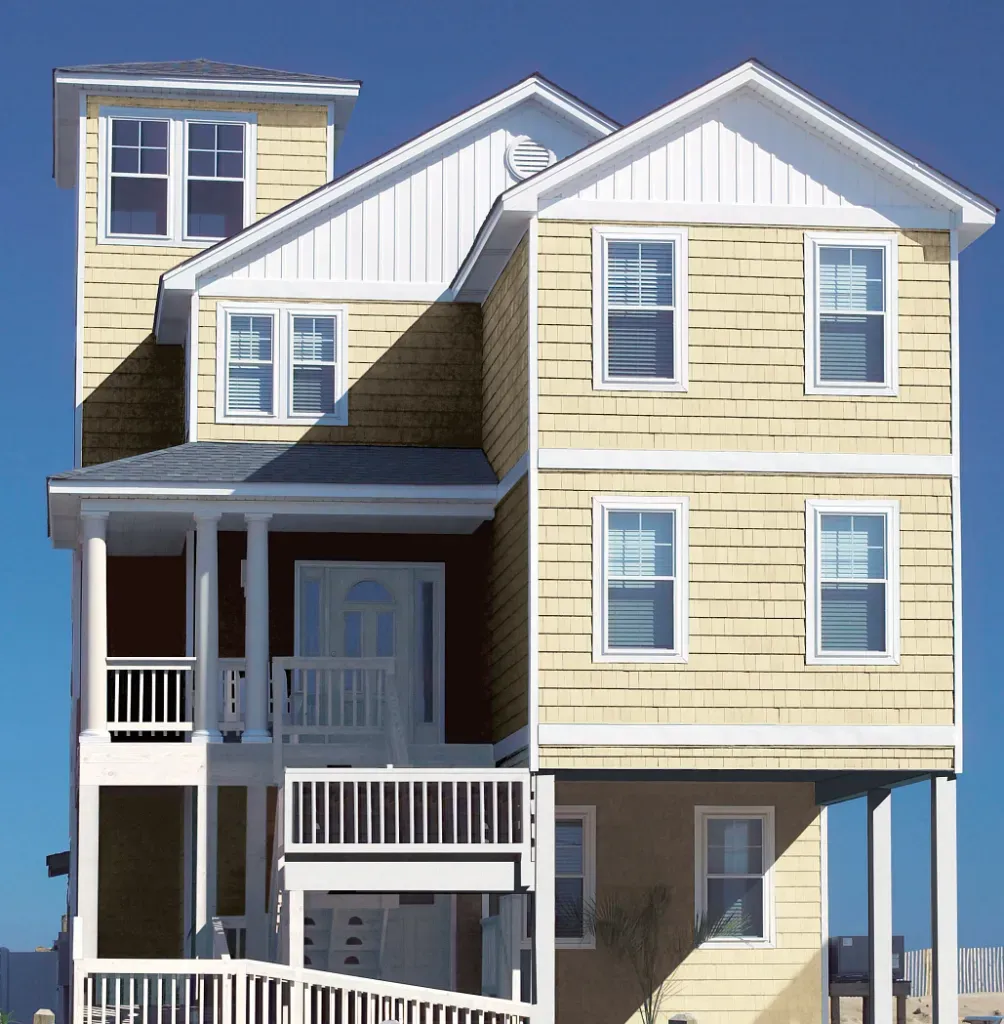
ACCENT WORK
Vinyl Shake and Scallop Accents
Textured panels for gables, dormers, and porch bays that break up large expanses of lap siding. Used carefully, these accents add the visual interest that flat elevations otherwise lack.
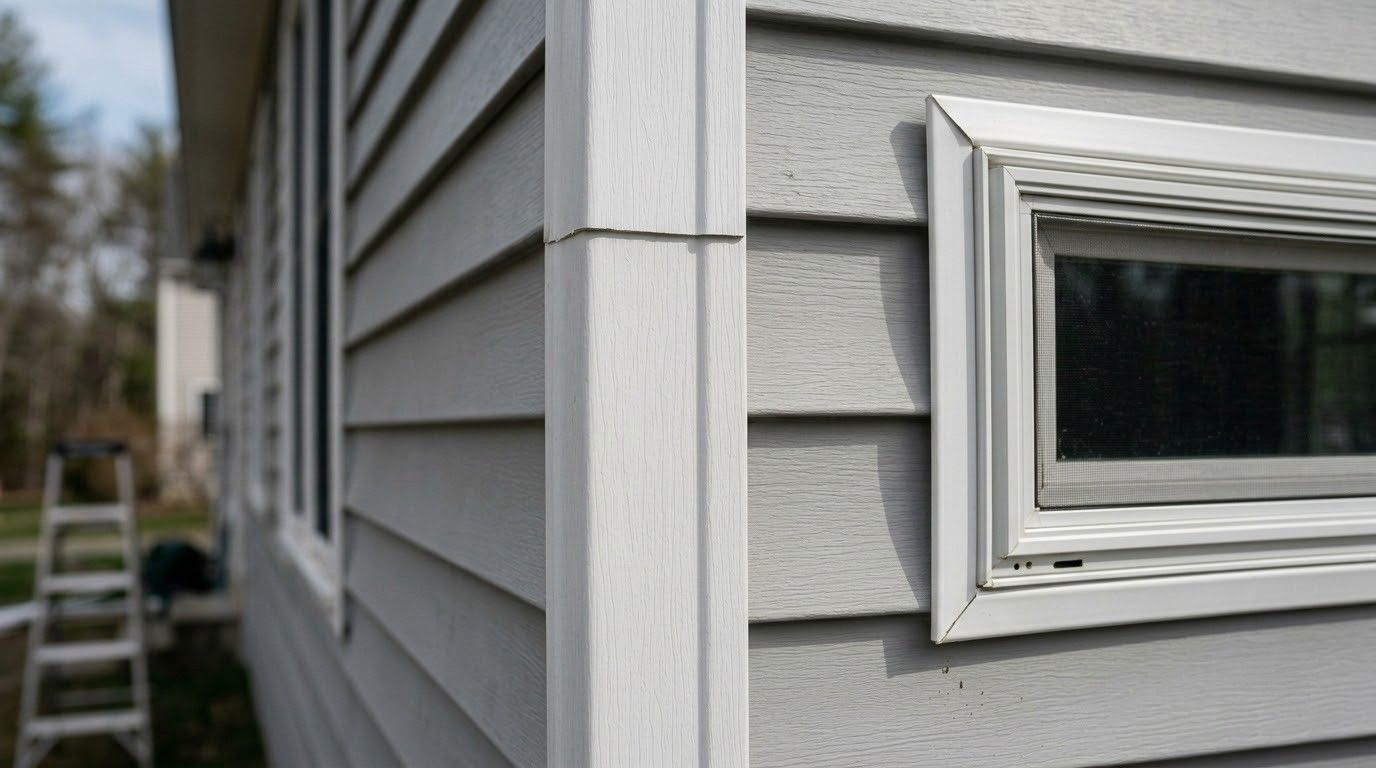
TRIM DETAIL
Corner Posts, J-Channel, and Trim
The accessories nobody notices when they are right and everybody notices when they are not. Corners, channel, and trim get cut and lapped so water sheds outward rather than collecting behind.
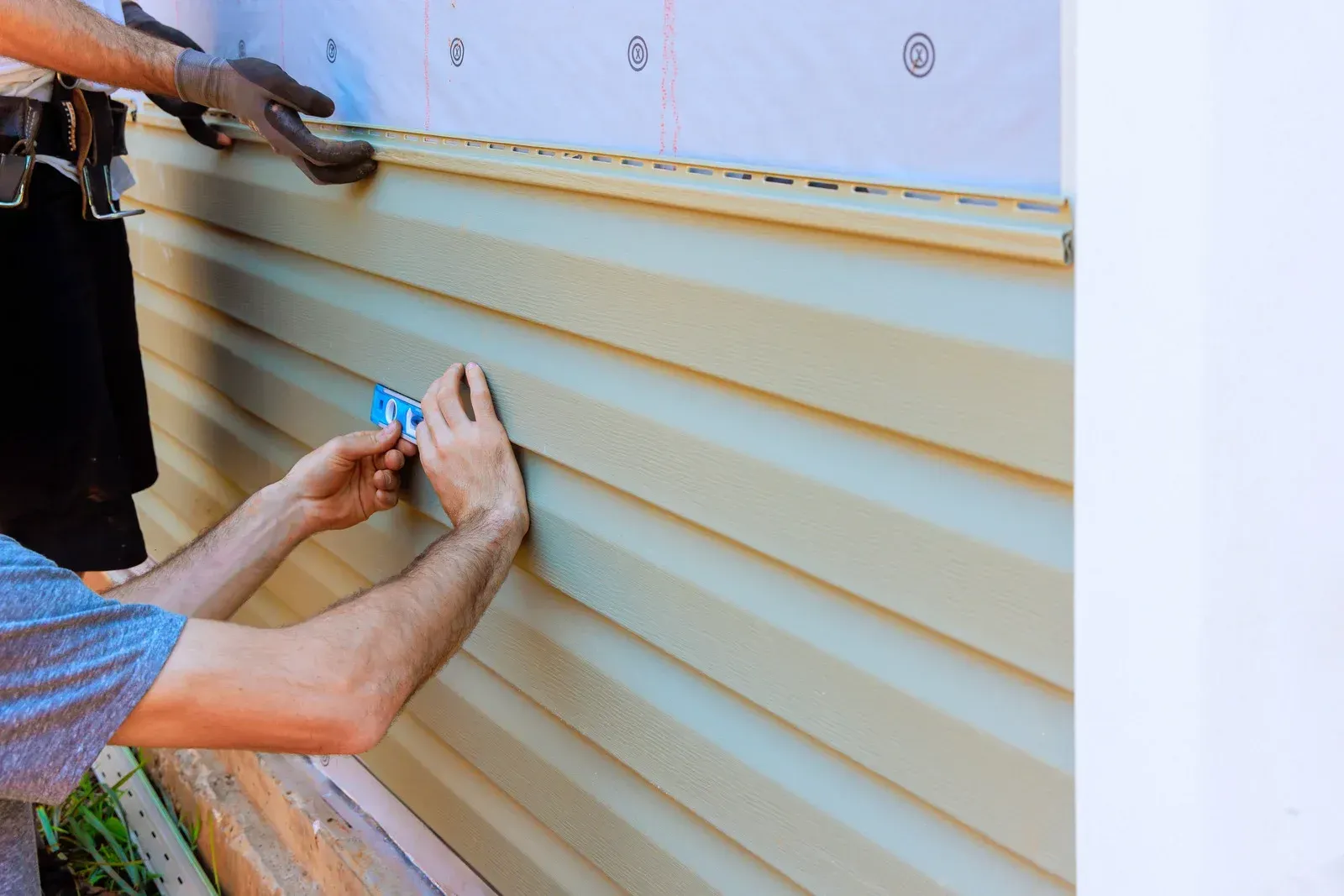
PANEL FIX
Vinyl Siding Repair and Panel Replacement
Replacing cracked, faded, or storm-damaged panels without redoing the wall. Matching older profiles takes some hunting, and we are honest upfront about when a close match is realistic.
Common Questions
FREQUENTLY ASKED QUESTIONS.
Vinyl siding questions usually revolve around durability in a climate like this one, and around what separates a good installation from one that starts failing within a few years.
How is vinyl siding rated for wind?
Products tested to the industry standard carry a published wind load rating from laboratory pressure testing. That rating assumes correct fastener spacing and locking, which is how LA Home Improvements LLC installs siding in Lafayette, LA.
Why does vinyl siding need to hang loose on the nails?
Vinyl expands and contracts significantly with temperature. Fasteners driven tight prevent that movement, so the panel buckles instead. Leaving the nail slightly loose in a centered slot lets the wall move freely.
Does vinyl siding need house wrap behind it?
Yes. Vinyl is a rain screen that allows some water behind it during driven rain. The weather-resistive barrier underneath is what actually protects the sheathing and framing from that moisture.
How long does vinyl siding last in a hot humid climate?
Quality vinyl commonly performs for 30 years or more here, since heat and humidity do not degrade it the way they attack wood. Impact damage and fading are the more realistic limiting factors.
Can vinyl siding be painted?
It can, though it rarely ends well. Darker colors absorb heat and can warp the panels, and paint on vinyl eventually peels. LA Home Improvements LLC generally recommends replacement over painting for Lafayette, LA homes.
What causes vinyl siding to warp or buckle?
Overdriven fasteners, panels forced tight against corner posts, or installation without room for thermal movement. Occasionally a nearby heat source such as a grill or reflected sunlight from a window is responsible.
What is the difference between lap and Dutch lap siding?
Traditional lap presents a flat face with a simple shadow at the bottom edge. Dutch lap adds a beveled recess at the top of each course, producing a deeper shadow line and a more textured look.
Can individual damaged vinyl panels be replaced?
Individual panels come out with a zip tool that unlocks the courses above. The difficulty is matching an older profile and color, since manufacturers discontinue products regularly and the existing panels on your wall fade over time.
HOW WE WORK
FROM BARE SHEATHING TO A FINISHED WALL, HERE IS HOW.
STEP 01
WE INSPECT THE WALLS
Before quoting we look for signs of what is happening behind the existing cladding, including staining, soft spots, and previous repairs. That assessment shapes both the scope and the price.
STEP 02
WE TEAR OFF THE OLD
Existing siding comes off completely so the sheathing is fully visible. Working over old cladding hides exactly the problems a siding project ought to be uncovering and correcting.
STEP 03
WE REPAIR THE SHEATHING
Damaged sheathing and framing get cut out and replaced with sound material. Nothing goes back onto a wall until the structure underneath will hold fasteners and carry the load properly.
STEP 04
WE WRAP AND FLASH
House wrap goes on lapped correctly, with flashing integrated at windows, doors, and every penetration. This layer does the actual weather protection and receives the attention it deserves.
STEP 05
WE HANG THE PANELS
Starter strip goes on level, courses lock fully, and fasteners sit centered and slightly loose. Panels get lapped away from prevailing weather so seams stay invisible from the approach.
STEP 06
WE FINISH THE TRIM
Corners, channel, soffit transitions, and penetration trim get cut and fitted last. Then we magnet sweep the yard, because a siding tear-off leaves more fasteners in the grass than anyone expects.
Get Your Free Estimate
FIND OUT WHAT IS BEHIND YOUR SIDING, FREE.
Nobody knows the true condition of a wall until the cladding comes off. What we can do beforehand is read the signs from outside, tell you what we expect to find, and price the work honestly with realistic allowances rather than a low number that grows halfway through. Contact us through our quote form and we will walk each of your elevations and put all of it in writing for you.
WHAT YOUR SIDING ESTIMATE COVERS:
- Condition assessment of every elevation
- Profile, color, and accent options
- What we expect to find behind the cladding
- Barrier and flashing work included in the scope
- Trim, corner, and channel details
- A written price with no hidden line items