
GUTTER INSTALLATION
GUTTER INSTALLATION IN Lafayette, LA
One inch of rain drops roughly 1,250 gallons of water onto a 2,000-square-foot roof, and this area averages close to 63 inches a year. LA Home Improvements LLC installs seamless aluminum gutters sized and pitched to carry that volume away from your foundation, formed on site to the exact length of every eave. We set trough size, hanger spacing, and downspout placement from the measured drainage area of your actual roof rather than from a standard package priced by the linear foot.

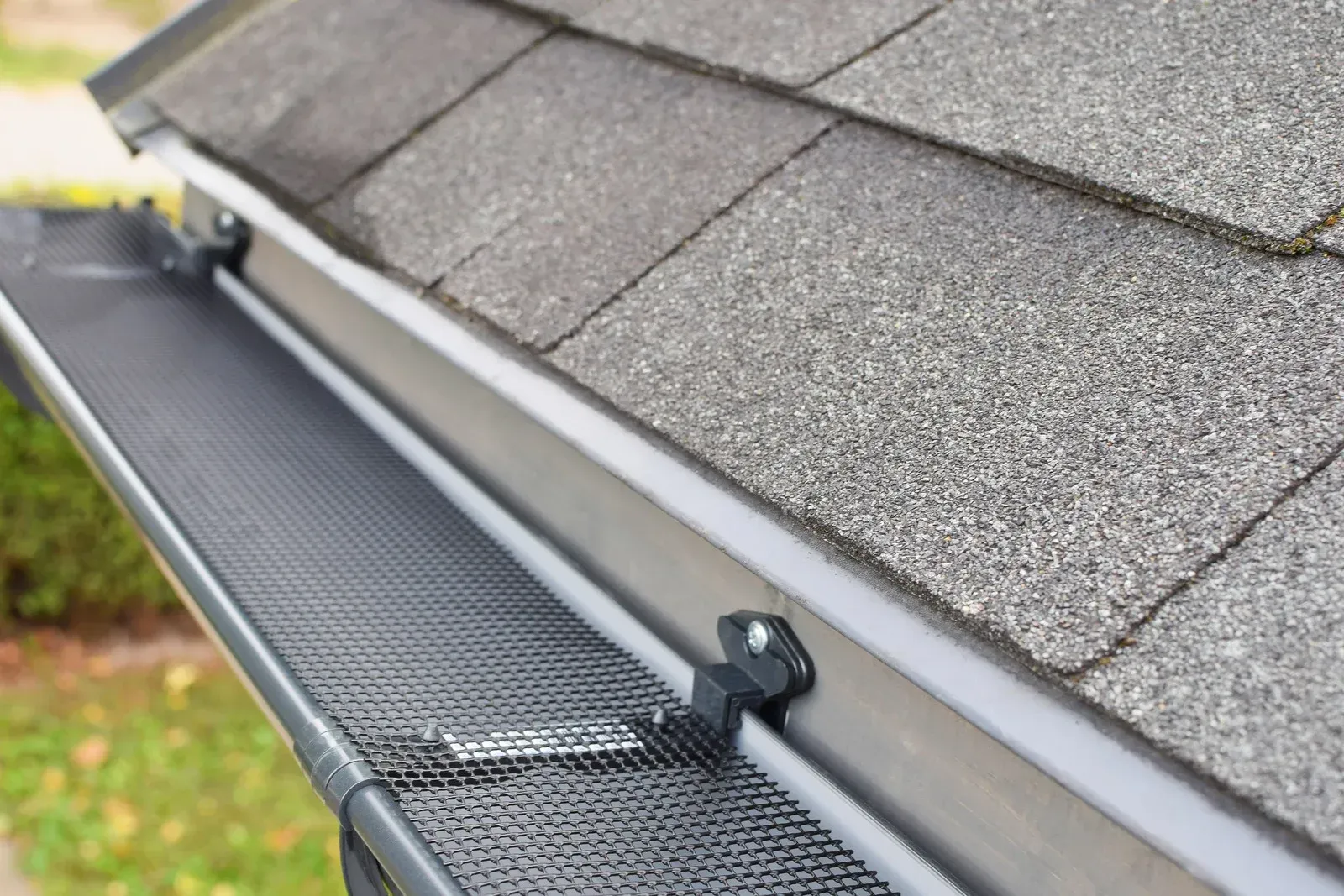
GUTTERS FAIL AT THE JOINTS, SO WE REMOVE THE JOINTS.
Sectional gutters come in 10-foot lengths, and every place two lengths meet is a seam waiting to separate. Sealant shrinks, the joint opens, and water runs straight down the wall it was supposed to protect. Seamless runs eliminate that failure point across the entire length of the eave, which is why we stopped installing sectional gutter years ago.
We form each run from a continuous coil on your driveway, so the only seams on your house are at corners and outlets, where they belong and where they can be properly sealed.
- Seamless runs formed on site
- Hidden hangers screwed into solid wood
- Downspouts routed clear of the foundation
- Water tested before we pack up
GUTTER INSTALLATION
WATER LEAVING YOUR ROOF HAS TO GO SOMEWHERE.
Without gutters, everything shedding off the roof lands in a narrow trench at the base of your walls. That water splashes mud onto siding, saturates the soil against your slab, and works its way under the bottom course of cladding. In a region with expansive clay soils, repeated soaking and drying at the foundation line is not a cosmetic issue. It is the beginning of movement, cracking, and repairs that cost many times what a gutter system does.
ACADIANA RAIN DOES NOT ARRIVE POLITELY.
Rainfall here comes in bursts. Two inches in an hour is an ordinary summer afternoon, and an undersized gutter simply overflows the front edge during exactly the storms it was installed to handle. We calculate capacity for peak intensity, not for an average day, which is why we frequently recommend six-inch trough and larger downspouts on homes with steep or wide roof planes feeding a single run.
30 YEARS OF WATCHING WATER FIND THE WEAK SPOT.
30 years of gutter work in south Louisiana teaches you where systems actually fail: valleys dumping onto a short run, downspouts emptying against a slab, hangers screwed into rotted subfascia, and pitch set by eye instead of by string line. We check all of it before quoting, because hanging beautiful gutters on a bad substrate only postpones the callback. Would you rather find the rotted board now or after the new system is up?
WHAT A PROPERLY SIZED GUTTER SYSTEM DELIVERS
A FOUNDATION THAT STAYS PUT
Controlling where roof water lands keeps the soil moisture around your slab far more consistent through wet and dry cycles. That stability is what prevents the differential settlement behind sticking doors, hairline wall cracks, and uneven floors.
SIDING THAT STOPS STREAKING
Water sheeting off an unguttered roof splashes soil, mulch, and organic debris onto the lower walls with every storm. Redirecting that flow keeps the bottom 3 feet of your exterior looking like the rest of the house.
LANDSCAPING THAT SURVIVES THE SUMMER
Concentrated roof runoff carves channels through beds, drowns root zones, and washes mulch into the driveway. Spreading that water through properly placed downspouts and extensions lets planting beds hold their shape and their soil.
FEWER ROT REPAIRS DOWN THE ROAD
Water that overflows a gutter runs back along the underside of the eave and into the fascia and soffit. Keeping the flow inside the trough protects the wood behind it, which is the expensive part to replace.
A DRIER, CLEANER ENTRY
Nobody enjoys walking through a curtain of runoff at the front door. A gutter with a properly located outlet keeps porches, walkways, and steps usable during the exact weather when you most want to get inside quickly.
LESS STANDING WATER NEAR THE HOUSE
Pooling at the drip line breeds mosquitoes and keeps the ground perpetually soft. Moving that water out to a proper discharge point reduces the wet zone around your perimeter and everything that comes with it.
WHAT WE INSTALL
OUR GUTTER WORK
Every gutter project is a little different depending on roof geometry, discharge options, and how much of the existing system is worth keeping. These are the pieces we handle on Lafayette homes.

SEAMLESS RUNS
Seamless Aluminum Gutters
Continuous aluminum formed on site from coil stock, cut to the exact length of each eave. Available in a range of baked enamel colors so the run reads as trim rather than as an afterthought bolted onto the house.
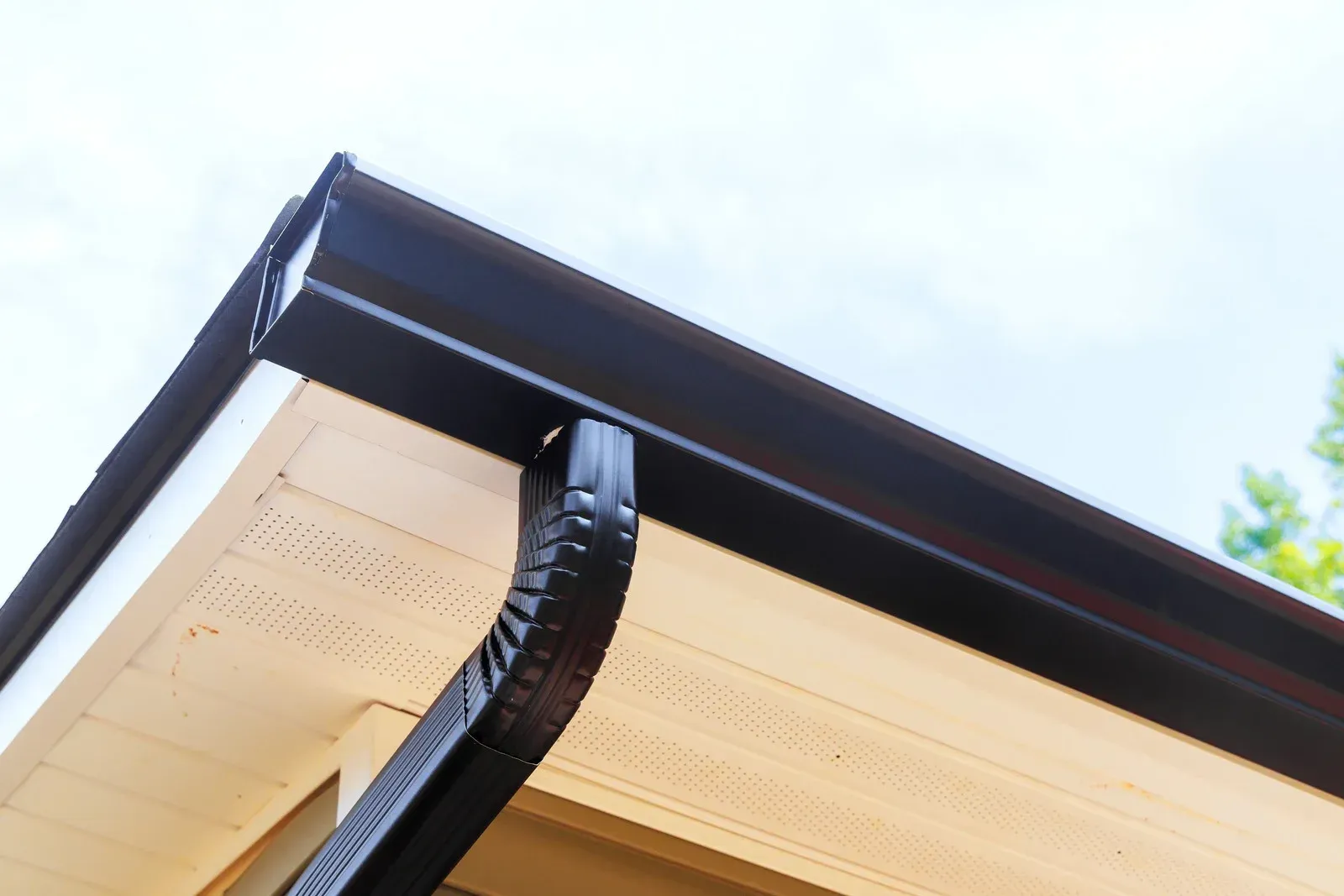
SIZED RIGHT
Five-Inch and Six-Inch K-Style Gutters
Five-inch trough suits most standard roof areas, while six-inch carries substantially more volume for steep pitches, wide planes, and valleys that concentrate flow. We recommend based on drainage area, not on habit or convenience.
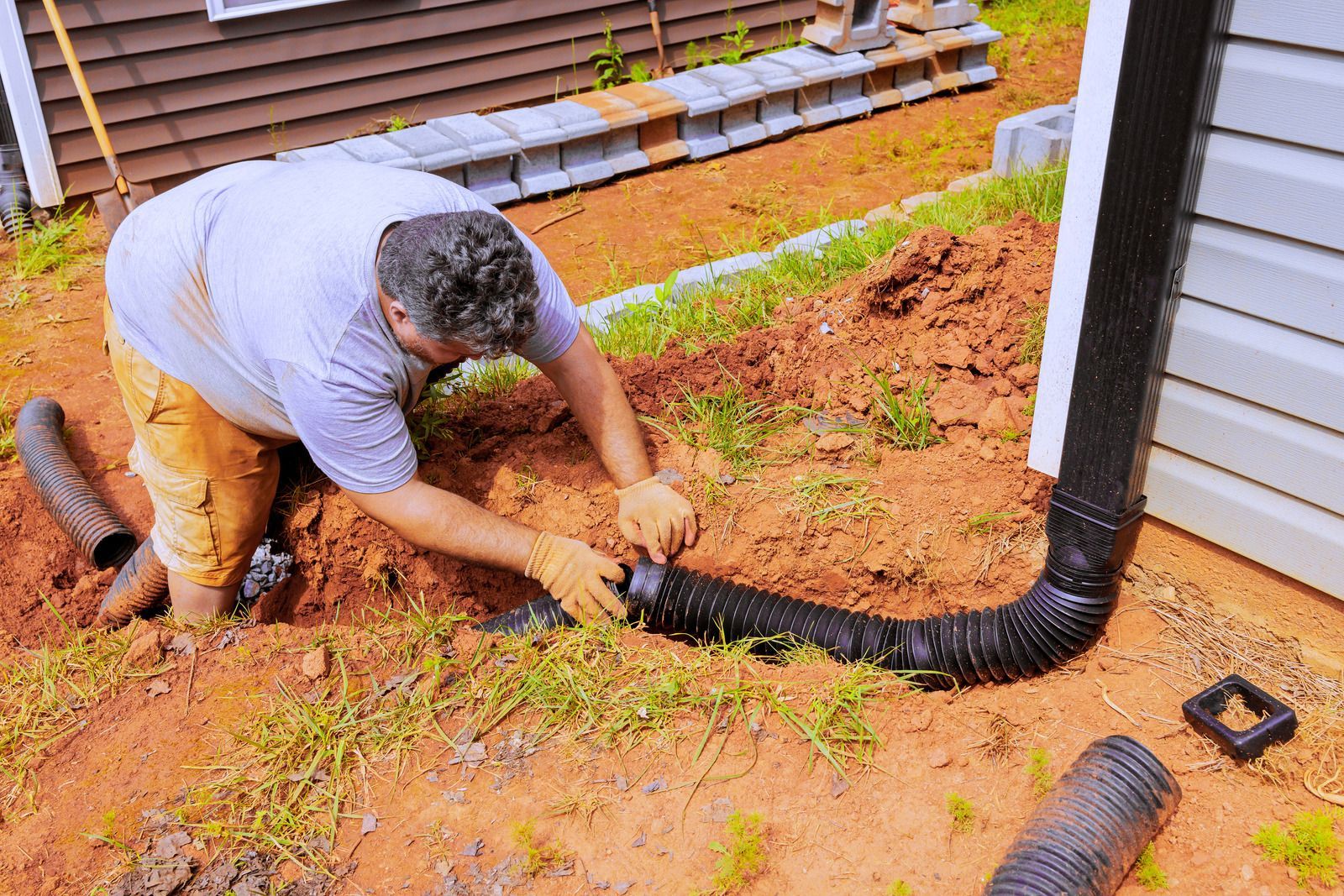
WATER OUT
Downspouts and Discharge Extensions
Downspouts sized to the trough and spaced so no single outlet is asked to drain more than it can. Extensions, splash blocks, or underground discharge carry the water far enough out to actually help the foundation.

DEBRIS CONTROL
Gutter Guards and Leaf Protection
Screens and covers that keep pine straw, oak leaves, and roof grit out of the trough. Useful on homes with overhanging trees where twice yearly cleaning has become an annual chore nobody in the household wants.

QUICK FIXES
Gutter Repair and Resealing
Resetting sagging sections, replacing failed hangers, resealing corners and end caps, and correcting pitch on runs that hold water. Worth doing when the gutter itself is sound and only the details have given up.

CLEAN SLATE
Gutter Removal and Replacement
Tearing off failed systems, repairing whatever the old fasteners damaged, and installing new. We haul the old aluminum away and inspect the subfascia while the eave is open and easy to reach.
Common Questions
FREQUENTLY ASKED QUESTIONS.
Gutter questions come up constantly during estimates, usually about sizing and whether guards are worth the money. Here is what we tell homeowners standing with us in their own driveway.
What size gutters do I need for my home?
Sizing depends on roof area, pitch, and rainfall intensity rather than house square footage. Five-inch trough handles most standard roofs here, while steep or large planes feeding one run typically call for six-inch.
What is the difference between seamless and sectional gutters?
Sectional gutters are joined every 10 feet, and each joint eventually separates as sealant ages. Seamless runs are formed continuously on site, so the only connections are at corners and outlets where sealing is straightforward.
How far apart should downspouts be placed?
A common rule places one downspout for roughly every 30 to 40 feet of gutter, adjusted for drainage area. Long runs with a single outlet overflow during heavy rain no matter how well the trough is pitched.
How long do seamless aluminum gutters last?
Aluminum systems commonly run 20 years or more when hangers are spaced properly and the fascia stays sound. LA Home Improvements LLC has been hanging gutters in Lafayette, LA for 30 years and inspects that wood first.
Do gutter guards actually work?
Good ones significantly reduce cleaning frequency, particularly under pine and oak. None are entirely maintenance free, and cheap snap in screens often trap debris on top instead. Product choice matters more than the concept.
What pitch should a gutter have?
Roughly a quarter inch of fall for every 10 feet of run moves water without making the slope visible from the ground. Level gutters hold standing water, which breeds mosquitoes and stresses the hangers.
Why does my gutter overflow during heavy rain?
Overflow usually means undersized trough, too few downspouts, blockage at the outlet, or water shooting past the front lip off a steep roof. LA Home Improvements LLC diagnoses which of those it is before quoting anything in Lafayette, LA.
What is the difference between K-style and half-round gutters?
K-style has a flat back and a shaped front face that carries more water for its size, which suits heavy rainfall. Half-round is a smooth semicircle, common on older homes, and it clogs less but holds less.
HOW WE WORK
FROM ROOFLINE TO DISCHARGE POINT, HERE IS HOW.
STEP 01
WE MEASURE THE ROOF
We walk the perimeter and measure each eave run, note pitch and valley locations, and identify where water concentrates. That drainage map determines everything downstream, and it takes far less time than most homeowners expect.
STEP 02
WE SIZE THE SYSTEM
Trough size, downspout count, and outlet locations get selected from the measured drainage areas. If six-inch is the right answer we say so, and if five inch is plenty we will not upsell you into metal you do not need.
STEP 03
WE CHECK THE WOOD
Before anything gets hung, we probe the fascia and subfascia for soft spots. Hangers need solid wood to hold, and finding rot at this stage costs a board rather than an entire reinstallation later.
STEP 04
WE FORM ON SITE
Aluminum coil runs through the machine on your driveway and comes out as a single continuous length matched to your eave. Corners are cut and sealed, end caps fitted, and outlets punched for the downspouts.
STEP 05
WE HANG AND PITCH
Hidden hangers go in on tight spacing, screwed into solid framing, with fall set by string line rather than by eye. The run stays visually level from the street while actually sloping toward every outlet.
STEP 06
WE RUN WATER THROUGH IT
Before we leave, we flood the system with a hose and watch every joint, corner, and outlet. Anything that weeps gets resealed on the spot, and discharge extensions get positioned where the water belongs.
Get Your Free Estimate
FIND OUT WHAT YOUR ROOF ACTUALLY NEEDS, FREE.
Most homeowners call us because water is landing somewhere it should not, and they assume the fix is a longer downspout. Sometimes it is. Often the real problem is capacity, pitch, or a rotted board nobody has looked at in fifteen years. Reach out through our contact page, and we will measure the roof, find the actual cause of it, and put a written number in your hands with no obligation attached.
WHAT YOUR GUTTER ESTIMATE COVERS:
- Measured drainage area for every roof plane
- A recommendation on five inch versus six-inch
- Downspout count and discharge locations
- Condition of the fascia behind the gutter
- Color options in baked enamel aluminum
- A written price with no hidden line items