SIDING
SIDING IN Lafayette, LA
Cladding is only the outermost layer of a wall assembly that also includes sheathing, a weather-resistive barrier, flashing, and a drainage path, and the majority of siding failures actually happen in the layers nobody ever sees. LA Home Improvements LLC handles siding for homeowners throughout Lafayette, LA as a complete system, from material selection and full replacement through targeted repairs, storm damage work, and all of the barrier and flashing detail behind whatever material ends up on the outside of your house.
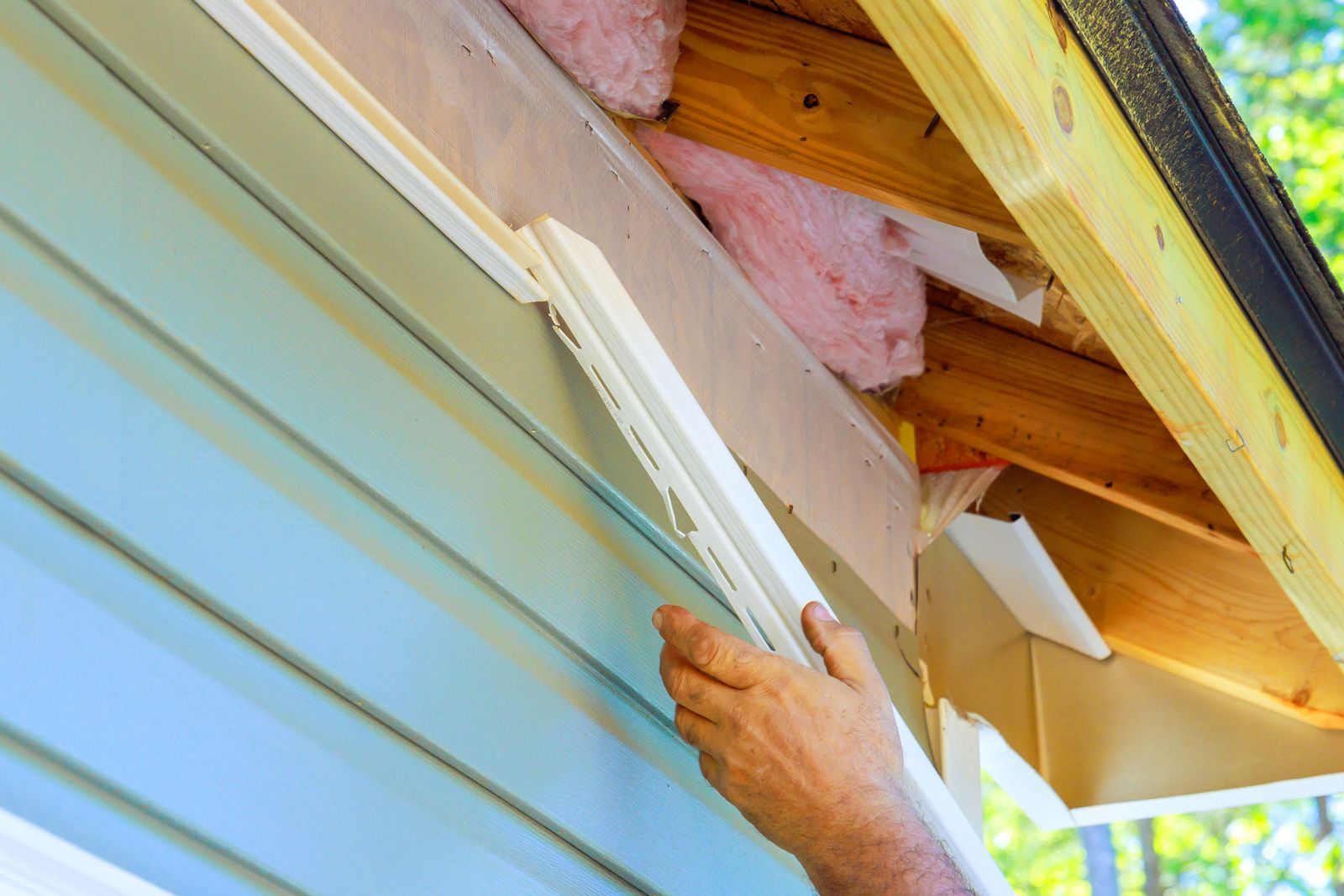
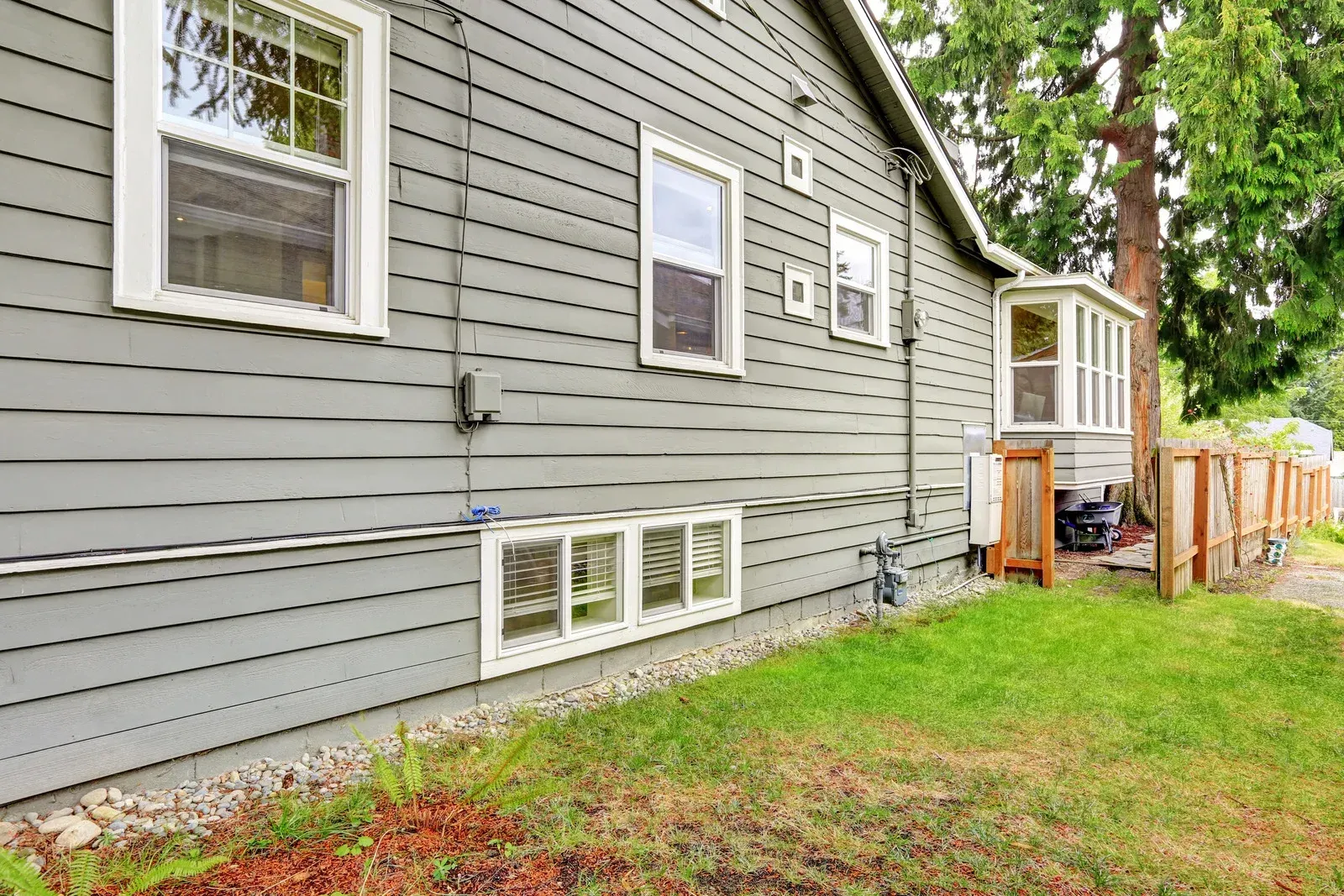
CLADDING IS A SYSTEM, NOT A SURFACE.
Homeowners shop siding the way they shop paint, comparing colors and profiles. Installers who think the same way produce walls that look excellent and perform poorly. What determines whether a wall lasts is how water gets managed once it makes its way past the surface, which it always eventually does during a hard driven rain.
We quote the whole assembly rather than the square footage, which is why our estimates spell out the barrier and flashing work that some competing proposals leave conspicuously unmentioned.
- Full wall assembly assessed, not just the surface
- Material recommended for your house and budget
- Sheathing repairs identified before work begins
- Barrier and flashing included in the scope
SIDING
THE RIGHT MATERIAL DEPENDS ON YOUR HOUSE.
There is no single best siding, only the material that suits a particular home, exposure, and budget. A house with heavy tree cover on the north side has different priorities than one baking on an open lot. Architectural character matters too, since the wrong profile makes a well-proportioned home look like it was updated by someone in a hurry. We start with your house rather than whatever we happen to be installing that month.
SIDING IN ACADIANA FIGHTS MOISTURE FIRST.
Materials that perform beautifully in Colorado can struggle here. Sustained humidity, 63 inches of annual rain, and organic growth on shaded elevations mean the moisture question outranks almost everything else. Anything that absorbs water needs serious protection at the cut ends and the bottom course. That local reality shapes what we recommend and how we detail the installation far more than any national product comparison would.
OUR TRUCKS KNOW EVERY NEIGHBORHOOD IN LAFAYETTE PARISH.
Working one region for 30 years produces knowledge you cannot get from a catalog: which subdivisions were built with which sheathing, where the sixties ranch houses hide their surprises, and which elevations in this parish grow mildew no matter what goes on them. That history means our estimates tend to match the final invoice, because we have opened enough walls around here to know what is likely waiting. What was your house built with?
WHAT A COMPLETE SIDING SYSTEM DELIVERS
A STRUCTURE THAT STAYS DRY
Managing water through the barrier and flashing layers keeps the sheathing and framing dry through storm season. That protection is invisible, permanent, and the entire reason the assembly exists.
MATERIAL SUITED TO YOUR HOUSE
Choosing for your exposure, architecture, and timeline rather than for a showroom display means the wall performs the way you need it to and looks right on the house it is on.
HIDDEN DAMAGE FINALLY ADDRESSED
Tear-off is the only moment anyone sees the wall's true condition. Repairing what turns up then costs a fraction of what discovering it through interior damage would.
A TRANSFORMED STREET VIEW
Nothing else changes a home's appearance as completely as new cladding. It is the single most visible improvement available, and it reshapes the impression the house makes from the curb.
FEWER MAINTENANCE WEEKENDS
Modern materials ask far less than the painted wood many homes here still carry. The hours you get back each year add up faster than most owners bother to calculate.
CONFIDENCE THROUGH STORM SEASON
Knowing the walls were assembled correctly, fastened to specification, and flashed properly changes how a homeowner feels watching a tropical system develop out in the Gulf each summer.
WHAT WE HANDLE
OUR SIDING WORK
Siding projects arrive in every size, from a single storm-damaged elevation to a complete envelope replacement on a two-story house. These are the ways we take them on.
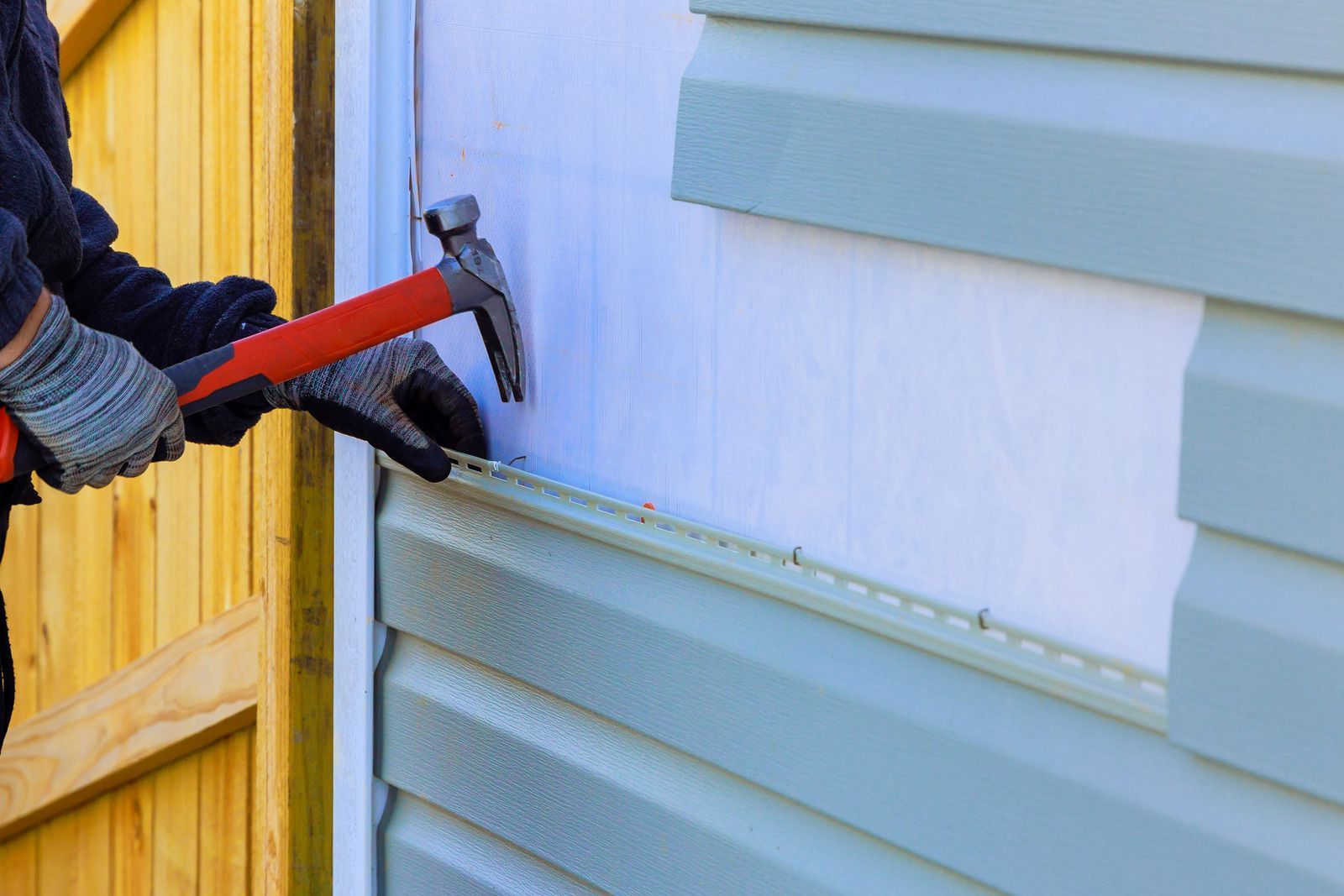
WHOLE HOUSE
Full Siding Replacement
Complete removal and replacement across every elevation, including barrier, flashing, and trim. Handling the whole envelope at once is the only way to guarantee the details are consistent all the way around.
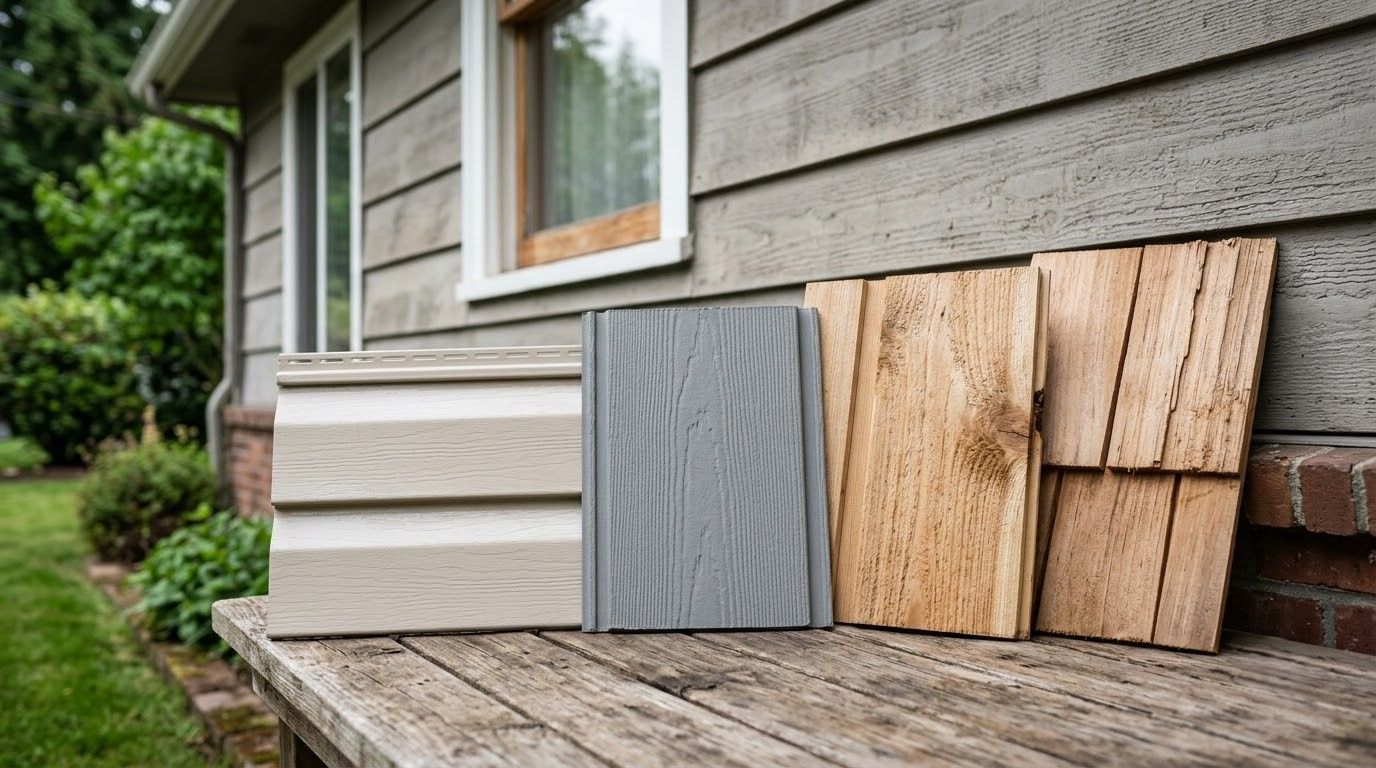
MATERIAL CHOICE
Siding Material Consultation
Walking through the realistic options for your house, exposure, and budget, with honest tradeoffs on cost, maintenance, and longevity. No pressure toward a particular product, because they all suit different situations.
SPOT WORK
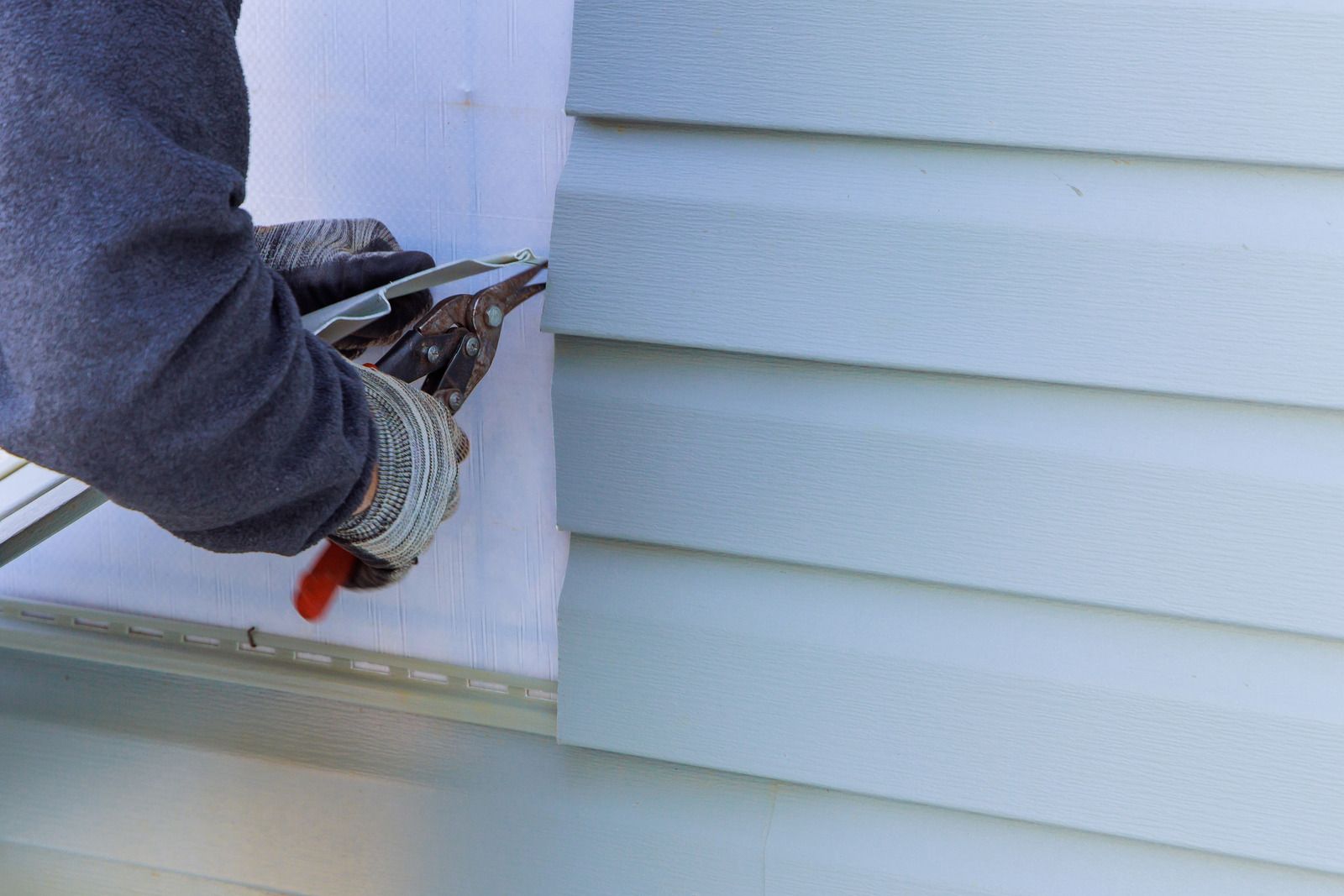
Siding Repair and Section Replacement
Repairing damaged areas without redoing sound walls. We investigate why the failure happened in that spot, since isolated damage usually points to a flashing or drainage issue nearby.
STORM CALL
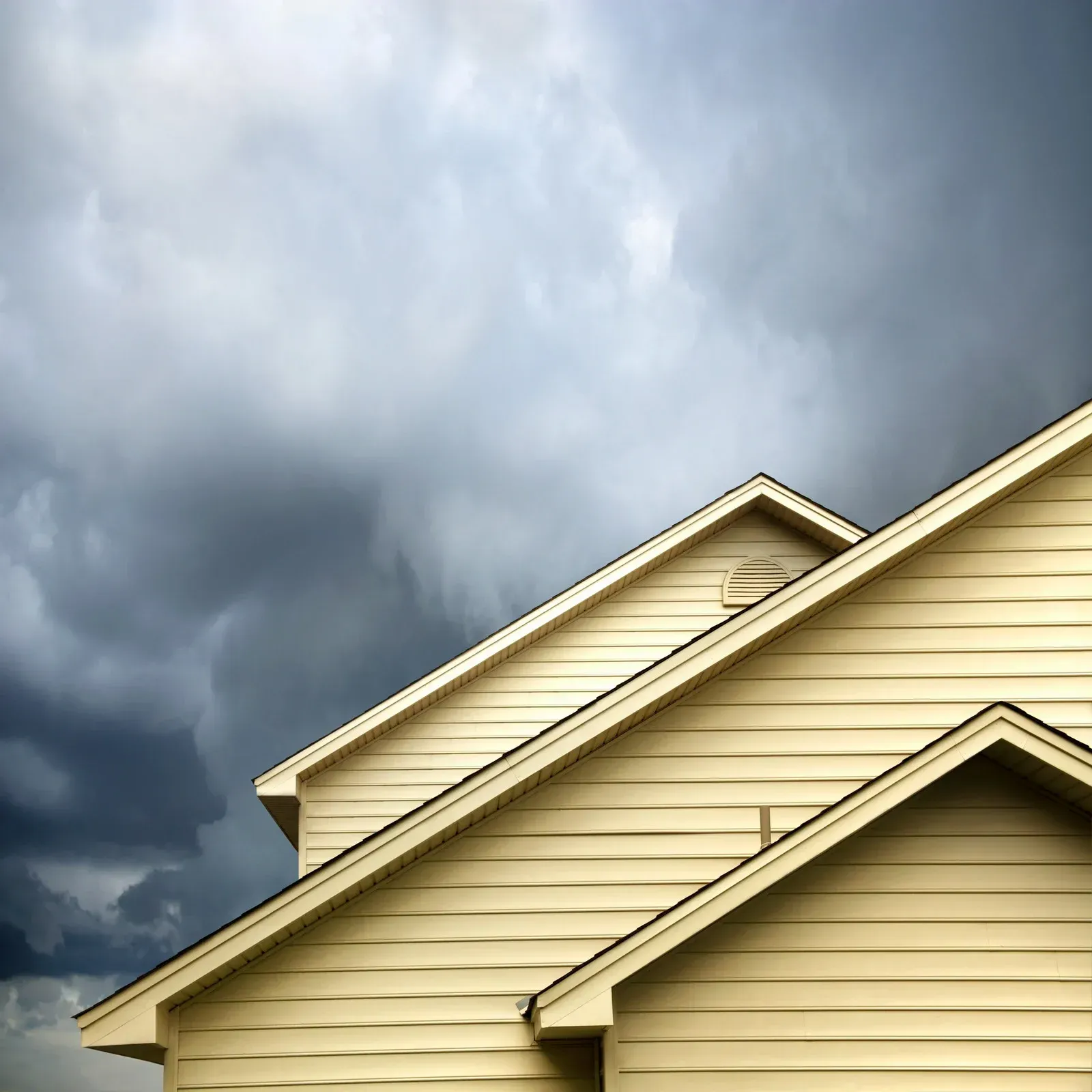
Storm-Damaged Siding Replacement
Replacing what wind and debris took off, with thorough documentation of the damage. We work through the process at whatever pace your carrier requires and secure the wall in the meantime.
WALL PREP
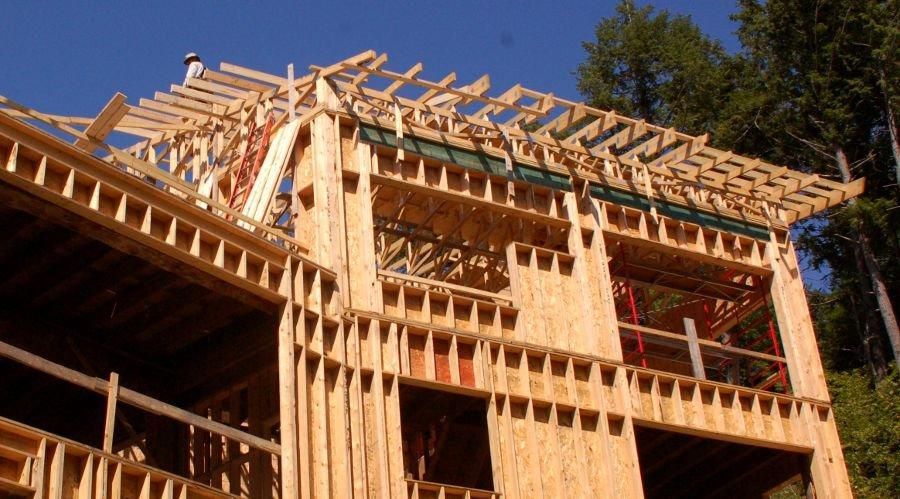
Sheathing and Weather Barrier Work
Replacing compromised sheathing and installing the wrap and flashing that do the real protecting. This is the layer that decides whether the new cladding is protecting anything at all.
FINISH TRIM
Siding Trim and Detail Work
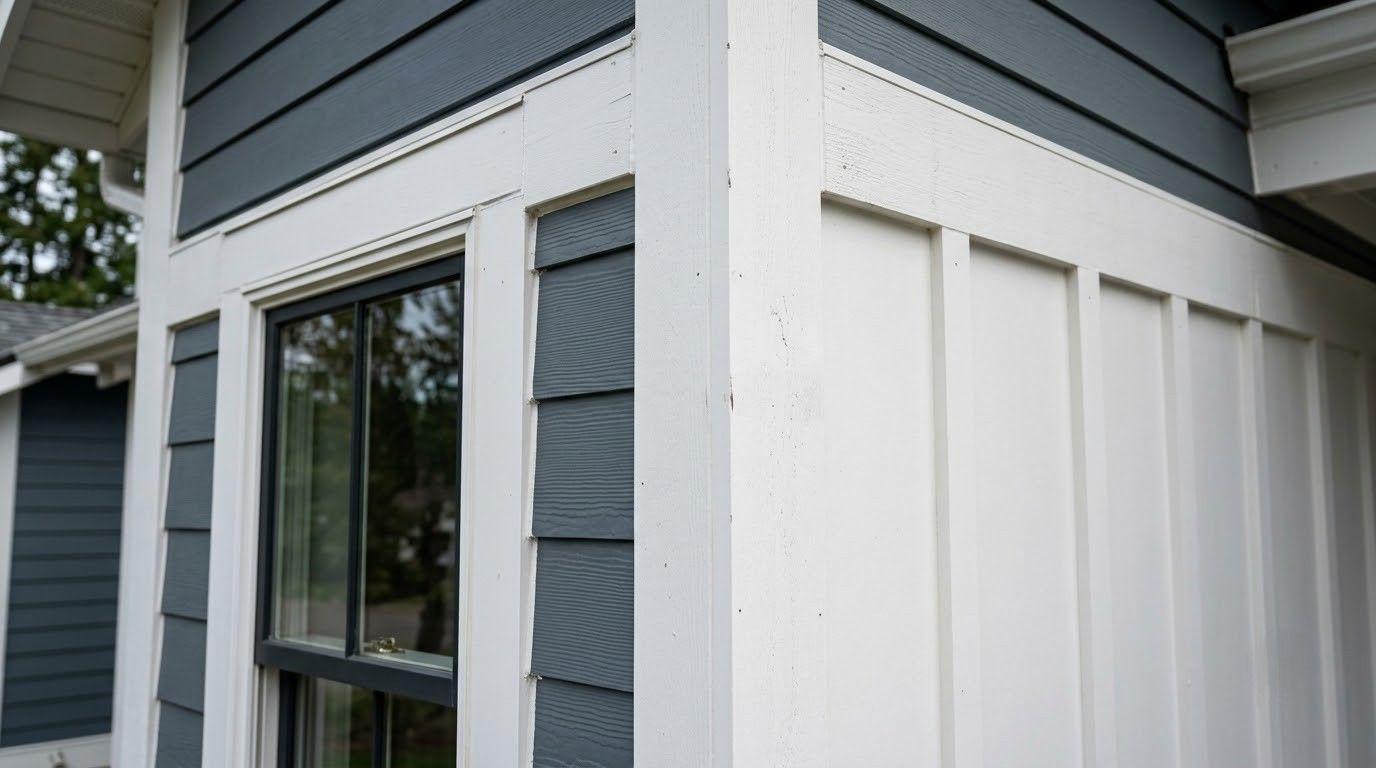
Corners, bands, window and door surrounds, and the transitions where materials meet. These details carry most of a wall's visual quality and nearly all of its vulnerability to water.
Common Questions
FREQUENTLY ASKED QUESTIONS.
Siding questions usually come down to timing and material: whether it is genuinely time to replace, and what to replace the existing cladding with. Here is how we answer both.
How do I know when siding needs replacing rather than repairing?
Widespread cracking, soft spots, visible gaps, repeated repairs in different areas, or interior moisture signs point to replacement. Isolated damage on an otherwise sound wall is almost always a repair rather than a replacement.
What siding material holds up best in a humid climate?
Materials that do not absorb moisture perform best here, which is why vinyl and fiber cement dominate. LA Home Improvements LLC recommends against wood based products for most Lafayette, LA elevations unless maintenance is genuinely disciplined.
How long does a full siding replacement take?
A single-story home typically runs 1 to 2 weeks. Two-story homes, complex rooflines, extensive trim, or sheathing repairs discovered during the tear-off will all extend that timeline accordingly.
What is behind siding and why does it matter?
Sheathing, a weather-resistive barrier, and flashing at every opening. The barrier and flashing manage water that gets past the cladding, so their condition matters far more than the surface does.
Can siding be replaced one wall at a time?
Yes, and phasing by elevation is common when budget matters. The tradeoff is matching material later and paying separate mobilization costs, so we talk through whether phasing genuinely saves you money in the end.
Does replacing siding fix a moisture problem?
Only if the actual source gets corrected during the work. New cladding over the same flashing failure produces the same leak. Finding the cause is the part that matters most.
How do I match siding on an older home?
Older profiles are frequently discontinued, so matching requires hunting for remaining stock or accepting a close approximation. LA Home Improvements LLC tells homeowners in Lafayette, LA honestly when a true match is not realistic.
What should be inspected once the old siding comes off?
Look at the sheathing for rot and delamination, framing for insect damage, the existing barrier, flashing at every opening, and the bottom plate. That inspection should always happen with the homeowner standing right there.
HOW WE WORK
FROM THE FIRST WALK TO THE FINAL DETAIL, HERE IS HOW.
STEP 01
WE INSPECT THE ENVELOPE
We examine every elevation for the signals that indicate what is happening behind the cladding, then discuss what we expect to find. Setting expectations early prevents unpleasant conversations later.
STEP 02
WE TALK MATERIALS
Options get laid out with honest tradeoffs on cost, maintenance, appearance, and lifespan. You choose with real information rather than a sales pitch aimed at whatever carries the best margin.
STEP 03
WE STRIP THE WALLS
Old cladding comes off down to the sheathing so the wall's condition is fully visible. We photograph what we find and show you before anything gets covered back up.
STEP 04
WE FIX WHAT IS BEHIND
Compromised sheathing and framing get replaced, then wrap and flashing go on integrated correctly at every opening. This stage determines the wall's actual lifespan more than the material does.
STEP 05
WE INSTALL THE SYSTEM
Cladding goes on to the manufacturer's specification, with the fastener spacing and locking details this wind region requires. Consistency across every elevation matters as much as the work on the front.
STEP 06
WE DETAIL AND CLEAN
Trim, corners, and transitions get finished, then the site gets cleared and swept. We walk the whole exterior with you before the job is considered complete on our end.
Get Your Free Estimate
LET US LOOK AT THE WHOLE WALL, FREE.
Siding decisions are easier once somebody has actually examined your walls instead of quoting from a photograph. Reach out through our contact page and we will walk each elevation, explain what the signs suggest is happening underneath, lay out the material options that genuinely fit your house, and give you a written price that includes the barrier and flashing work rather than quietly leaving all of it out of the number.
WHAT YOUR SIDING PROJECT ESTIMATE COVERS:
- Condition of each elevation and what it indicates
- Material options with honest tradeoffs
- Expected sheathing and framing repairs
- Barrier and flashing work included
- Trim and detail treatment at every opening
- A written price with no hidden line items